
Peninsula Communities Rally Around Bioregional Vision
Events Reporting
Environmental coalition draws 50 residents to workshop on cross-municipal planning and hears a call for action.
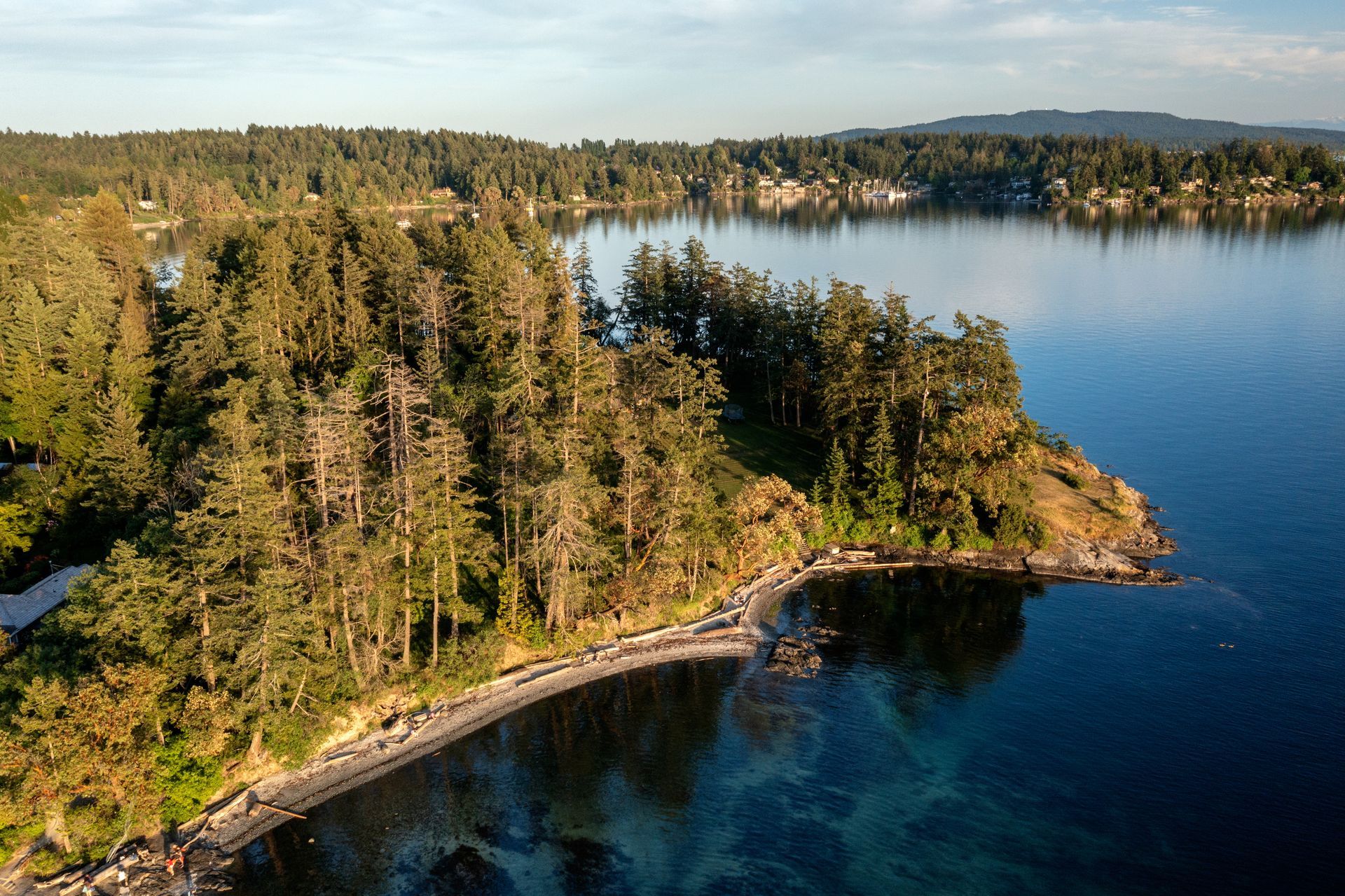
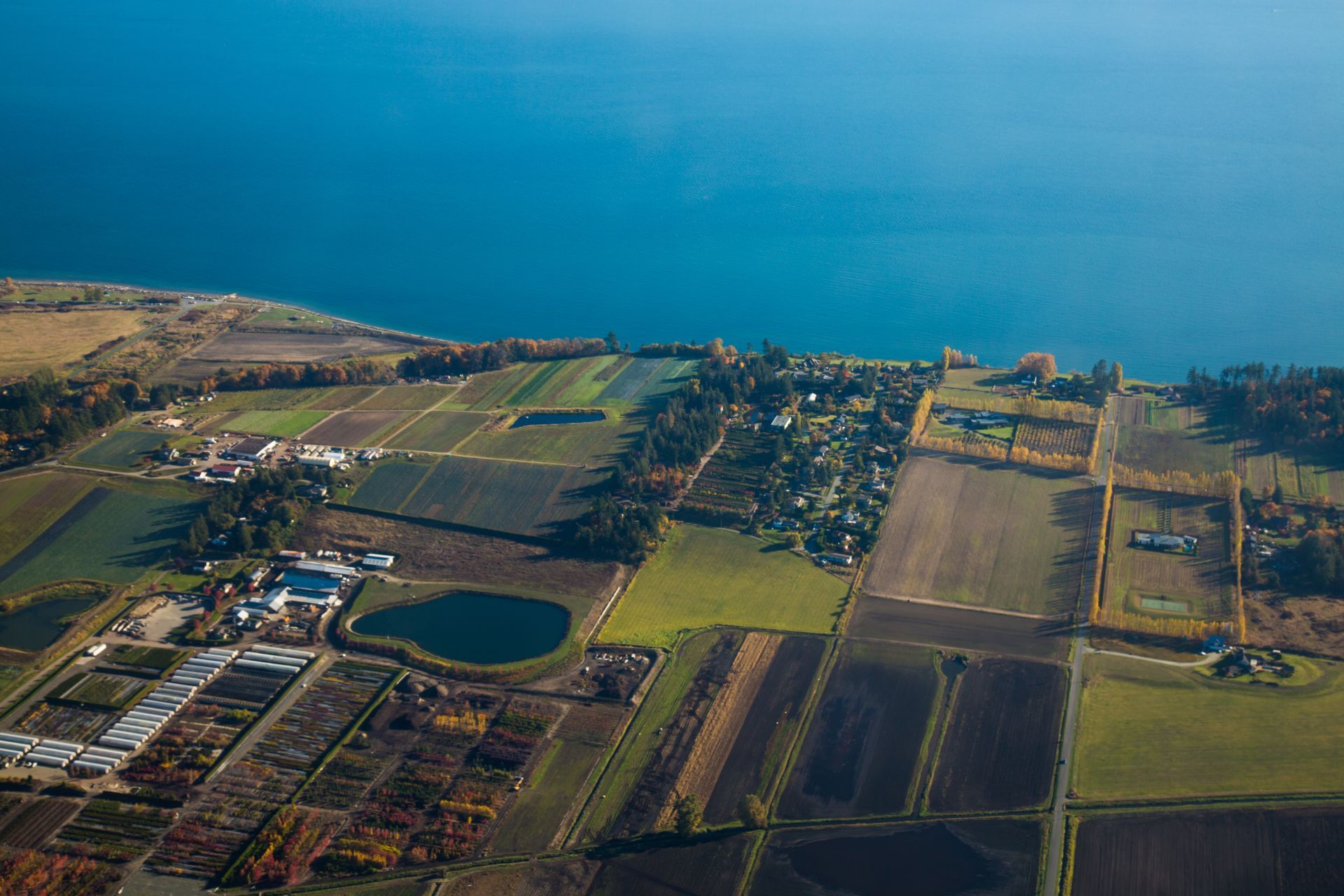
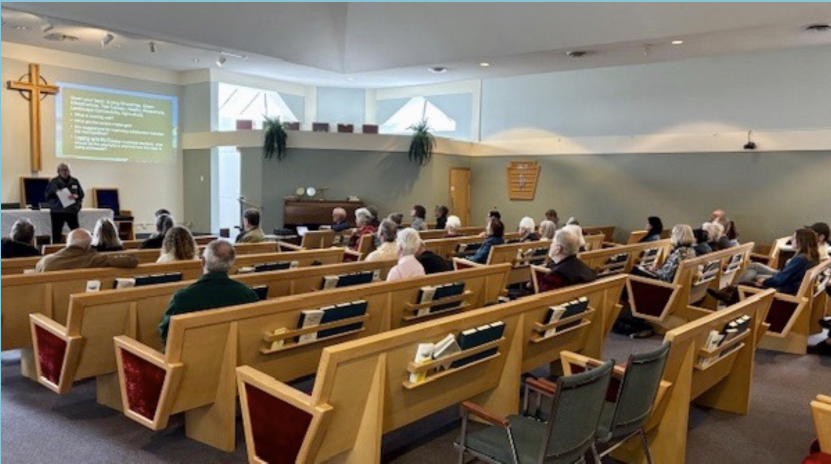
On a Saturday afternoon in March, roughly fifty residents, scientists, farmers, elected officials, and community activists gathered in a church hall on the Saanich Peninsula with a shared concern: that the three municipalities governing this part of southern Vancouver Island are managing their shared natural environment as if it doesn't cross their property lines.
The gathering was organized by the Saanich Peninsula Environmental Coalition (SPEC), a collaborative group formed after the 2018 Sidney Summit with the core goal of integrating bioregional planning principles—such as ecosystem integrity, jurisdictional cooperation, and community input—into the Official Community Plans (OCPs) of North Saanich, Sidney, and Central Saanich.
Eight years later, the coalition decided it was time to evaluate progress. The result was Check-Up!, a structured research initiative designed to assess whether the municipalities are truly fulfilling the environmental commitments outlined in their plans. The overall picture, while not entirely bleak, highlights a community that is urgently seeking better coordination, greater accountability, and a governance structure capable of addressing the ecological scale of the challenges it faces.
"Ecosystems Don't Stop at Municipal Borders"
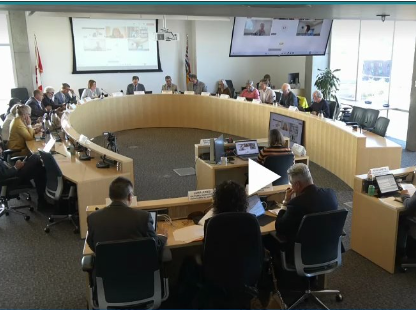
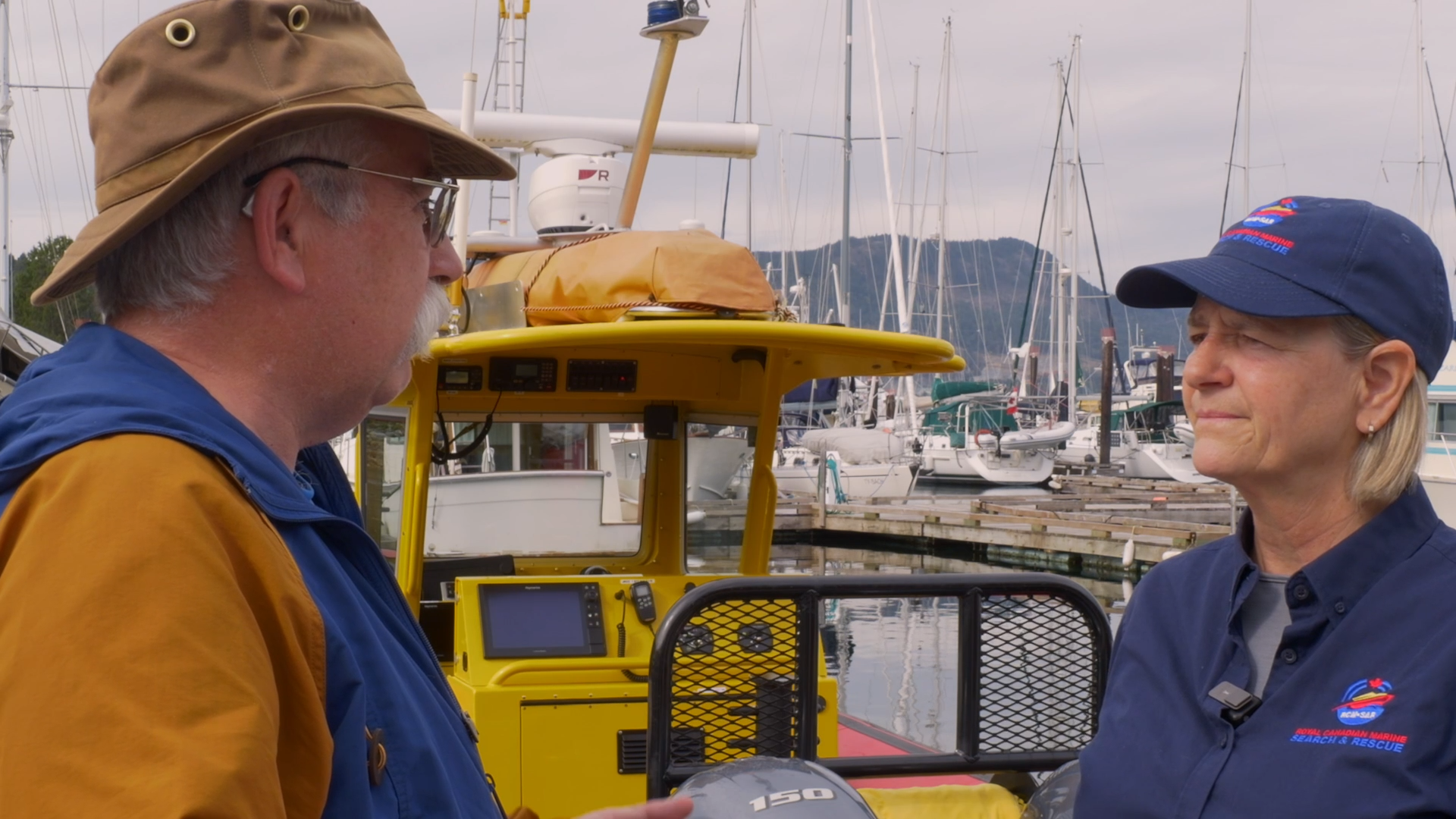
The highlight of the afternoon was a research presentation by Alexandra Welch (see video above), a graduate student in the School of Resource and Environmental Management at Simon Fraser University, who has been collaborating with SPEC through SFU's Action on Climate Team. Welch, also working on her master's thesis about implementing environmental development permit areas, combined academic rigour with practical field experience, drawing on her background as a biologist and her involvement in regional strategies such as Metro Vancouver's Green Infrastructure Network and the District of Saanich's Biodiversity and Conservation Strategy.
Her analysis focused on the OCPs of all three Peninsula municipalities, assessing them against six key ecological indicators: nature-based solutions and green infrastructure, living shorelines, tree canopy cover, landscape connectivity, watershed health, and agriculture and food systems. The method did not simply consider whether a topic was mentioned. Welch and her colleagues evaluated the depth and strength of each policy, examining whether implementation standards, monitoring requirements, and mechanisms for cross-jurisdictional coordination were in place.
The overarching finding was stark: while all three municipalities acknowledge bioregional principles and even reference the need for collaboration, the machinery to make that collaboration happen is largely absent.
"Ecological systems on the peninsula, including forests, shorelines, and watersheds, cross municipal boundaries," Welch told the audience. "Residents and practitioners consistently recognize that these systems are interconnected and require coordinated stewardship. The OCPs themselves acknowledge this. But in practice, many of these ecological features are still addressed within individual municipal plans rather than through coordinated frameworks."
This mismatch, she explained, is particularly glaring when it comes to climate change. Flooding, drought, shoreline erosion, and ecosystem degradation are experienced across interconnected land and water systems. All three municipalities reference climate in their OCPs and note the need for regional coordination on specific initiatives. Yet most adaptation and mitigation measures remain framed at the municipal level, precisely the wrong scale for problems that don't respect administrative boundaries.
Six Indicators, Six Gaps
Welch walked through the room, examining each indicator in turn. On nature-based solutions (rain gardens, bioswales, and naturalized stormwater systems), she found increasing references in policy and genuine public support, but a troubling absence of implementation standards or performance metrics. Without these, it is difficult to determine whether green infrastructure is truly delivering results.
Living shorelines, defined as the use of natural materials such as plants, sand, and oyster reefs to stabilize coastlines, posed a different challenge. Public engagement revealed strong concern about the hardening of natural shorelines and growing support for softer, nature-based alternatives. But overlapping federal, provincial, and municipal jurisdictions make consistent policy implementation exceptionally difficult. The shoreline doesn't know which level of government is responsible; the governance system apparently does.
Tree canopy emerged as a high-priority issue for residents, who expressed consistent frustration with canopy loss driven by development pressure and uneven enforcement. All three municipalities have tree protection policies, and North Saanich's OCP even references a minimum 30% canopy cover target. But there is no coordinated Urban Forest Management Strategy across the peninsula, meaning a tree removed in one municipality may not be recorded as a loss in any shared accounting system.
Landscape connectivity, which refers to maintaining the ecological corridors that allow wildlife to move and natural systems to function, received limited attention in the OCPs. Welch noted that connectivity and cumulative effects are treated as future data-collection aspirations rather than current planning priorities, and that this work is not coordinated across municipal boundaries.
On watershed health, the picture was mixed. Stormwater management and water quality received reasonable attention, and the CRD's work on programs like the Reay Creek restoration was cited as a positive example. But peninsula-wide, watershed-boundary-respecting planning remained weak. As Welch pointed out, planning and governance tools are largely structured around municipal boundaries, not hydrological ones, a fundamental mismatch when trying to manage water systems that flow where gravity takes them.
Finally, agriculture and food systems. Welch acknowledged the central role farming plays in the peninsula's landscape, identity, and food security, and noted that municipal policies generally support farmland protection. The Agricultural Land Reserve was widely praised in the room for having prevented far greater development. But Welch observed that OCPs could better reflect the ecological and climate-resilience value of agricultural lands, not just their economic and food-production function.
A Community Ready to Act
The afternoon's workshop, which gave attendees the chance to discuss the indicators at small tables, confirmed that Welch's research reflects what residents are seeing and feeling on the ground.
Common themes ran across all six tables. Participants called for increased municipal collaboration at the staff level to standardize baseline ecological data. They urged the revival of regular joint meetings among the three municipal Councils, a practice that has apparently lapsed. They called for the development of a shared natural assets inventory across the whole peninsula rather than municipality by municipality. And, in what may be the meeting's most significant concrete proposal, attendees called for the creation of a Saanich Peninsula Environment Advisory Commission: an inter-municipal advisory body that would guide jurisdictional collaboration and help ensure bioregional principles are reflected in planning decisions across all three councils.
Elected officials present, including Elizabeth May MP, MLA Rob Botterell, Mayor Peter Jones of North Saanich, Mayor Cliff McNeil-Smith of Sidney, and Councillor Sarah Riddell of Central Saanich, each acknowledged that more collaboration is needed. Positive examples were highlighted, including work on Mermaid Creek and Reay Creek, and the OCP-related tools used to address sea level rise and shoreline protection.
But the tone from the floor was impatient. Community members noted that climate impacts including drought, extreme rainfall, erosion, and tree mortality are accelerating faster than current systems can adapt. Several participants pointed to a frustrating "policy versus practice gap": municipalities generally have environmental policies in place, but residents experience a significant disconnect between the policies and what is actually happening.
"Bioregional management should be seen as a positive alternative to the current fragmented environmental governance," was one of the workshop's summarizing statements, and not a radical fringe position but a consensus view of the room.
What Comes Next
SPEC will receive Welch's final report in June. That report, combined with the themes from Saturday's meeting, will form the basis of a presentation to each of the three municipal Councils. With municipal elections scheduled for October, SPEC has also indicated it will be formulating candidate questions on these issues, giving voters a chance to assess where their local representatives stand on the peninsula's environmental future.
Welch, for her part, concluded with a note of cautious optimism. She stated that the research reveals a solid foundation already in place, in policy language, community values and the network of volunteer stewards, NGOs, and local groups doing the practical work that formal governance has yet to fully catch up with.
"The key opportunity moving forward," she told attendees, "is strengthening mechanisms for coordinating across jurisdictions so that planning and environmental management better reflect the scale of the ecosystems they are trying to protect."
For a peninsula defined by its natural environment, its shorelines, its farms, its forests and watersheds, the question of whether that coordination arrives in time may prove to be the defining challenge of the next council term.
For more information on SPEC's Bioregional Framework and the Check-Up! project, visit www.placespeak.com/saanichpeninsulabioregion or contact specoalition@gmail.com. A second public survey is available on PlaceSpeak during April.
We invite you to comment below. You do not have to sign in. When you start typing your name, a small check box will appear below the terms and conditions. Checking the box will allow you comment as a guest requiring only your name and email address. Your email address remains confidential.